The Role of Luck in Casino Games
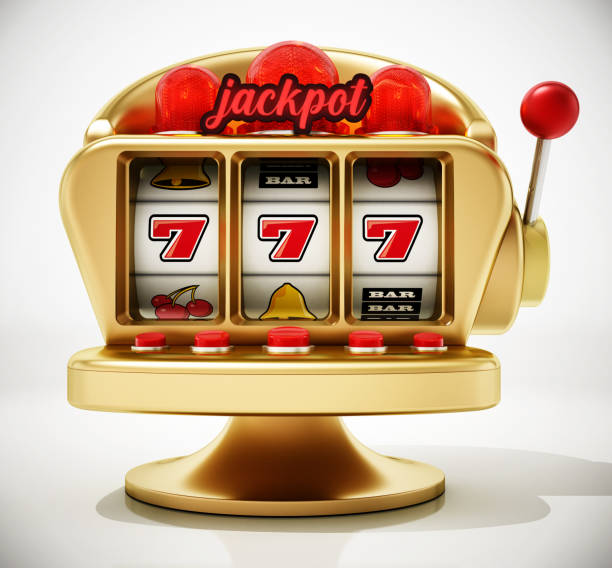
Luck plays a pivotal role in the world of gambling, particularly in games of chance such as slots, roulette, and blackjack. Unlike games that require skill, where strategic thinking can significantly influence outcomes, these games hinge on random results. For instance, a player spinning the reels of a slot machine relies entirely on luck, as no skill can alter the probability of hitting the jackpot. This randomness is what attracts many players, especially those looking for casino fast withdrawal options, offering the tantalizing possibility of winning big with little to no effort.
Moreover, luck can create an exhilarating atmosphere in a casino. Players experiencing a hot streak may feel invincible, while those on a losing streak may leave feeling frustrated. This rollercoaster of emotions highlights the unpredictable nature of chance-based games. Casinos often capitalize on this psychological aspect by creating environments that enhance the thrill of gambling, thereby emphasizing how luck can sway not just individual outcomes but the overall casino experience.
While luck is a significant factor in the immediate outcome of games, it’s essential to consider its transient nature. A player might win today but lose tomorrow, underscoring the volatility inherent in games of chance. This unpredictability is crucial for casino operators as well; they must design games that attract players while ensuring the odds are in their favor over time. Thus, while luck certainly influences individual sessions, the casino’s success relies on long-term player behavior and established probabilities.
Skill and Strategy in Gambling
Despite the prominence of luck, skill and strategy cannot be overlooked, especially in games like poker, blackjack, and sports betting. These games involve a combination of luck and strategic decision-making. For instance, in poker, a skilled player can read opponents and make calculated bets that can significantly increase their chances of winning over time. While luck may dictate the cards dealt, experienced players know how to leverage their position to maximize winnings.
Furthermore, understanding game mechanics and odds can alter a player’s approach. In blackjack, knowing when to hit, stand, or double down based on the dealer’s visible card can sway the odds in a player’s favor, illustrating how skill can complement luck. This dynamic interaction between luck and skill introduces layers to the gambling experience, emphasizing that success isn’t solely dependent on fortunate draws but also on the player’s ability to make informed decisions.
Additionally, casinos often provide resources for skilled players to enhance their strategies. Advanced techniques, such as card counting in blackjack, showcase how knowledge and practice can yield consistent results. The blend of luck and skill creates an intriguing environment that encourages players to engage more deeply, making them valuable assets to the casino’s overall performance. In this regard, skill can be seen as a tool that some players wield to navigate the capricious waters of chance.
The Psychological Aspect of Gambling
The psychological factors at play in gambling reveal much about the relationship between luck and success. Many players believe that luck is a tangible quality that can be influenced by rituals or superstitions, such as carrying lucky charms or performing specific actions before playing. This belief can significantly affect their gambling behavior, as the anticipation of good fortune can lead to heightened levels of excitement and engagement.
Additionally, the concept of “losses chasing”—where players continue to gamble in hopes of recouping losses—illustrates how luck and psychology intertwine. The emotional response to losing can cloud judgment, prompting individuals to wager more than they can afford in pursuit of that fleeting lucky break. Casinos are aware of this psychological phenomenon and often design their games and environments to capitalize on these impulses, ensuring that the allure of luck keeps players returning.
Moreover, the thrill associated with unexpected wins reinforces the perception of luck as a factor in casino success. Stories about people winning massive jackpots often circulate, contributing to the mythos surrounding gambling as a method of achieving success or financial freedom. This narrative encourages both new and experienced players to enter the casino with the hope that luck will favor them, ultimately driving traffic to these establishments and sustaining the industry.
The Long-term Perspective of Casino Success
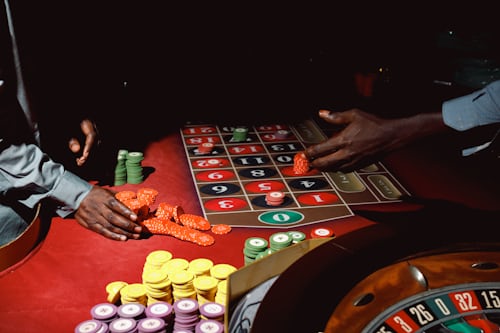
When evaluating casino success, it is crucial to take a long-term perspective. While individual players may experience short-term wins or losses, the overall profitability of casinos is derived from statistical odds and house edges. This means that, in the long run, luck balances out, and the mathematical probabilities dictate the expected outcome of games. For instance, games like roulette have a fixed house edge, ensuring that the casino generates consistent revenue regardless of temporary player luck.
Moreover, casinos invest heavily in research and analytics to understand player behavior. By analyzing data, they can discern patterns that reveal how luck influences play styles and outcomes. This leads to the development of promotional strategies and loyalty programs tailored to maximize player retention and spending, demonstrating how astute business practices can overshadow luck in determining long-term success.
Additionally, legal regulations ensure that casinos operate fairly and transparently, contributing to their sustainability. Industry standards dictate how games are designed, ensuring that luck and chance operate within defined limits. This balance enhances player trust, fostering a continuous influx of patrons. Ultimately, while luck plays an immediate role in individual games, the overarching success of casinos relies on strategic management, player engagement, and the mathematical foundations of gaming.
Exploring More Than Luck
While luck is undeniably a captivating aspect of the casino experience, it’s essential for players to recognize the various elements that contribute to success in gambling. Understanding the interplay between luck, skill, and psychology provides a more comprehensive view of what it means to win at the casino. By acknowledging both the unpredictable nature of chance and the importance of strategic thinking, players can enhance their experiences and make more informed decisions.
Moreover, engaging with the gaming community and exploring resources can help individuals improve their skills and strategies. Online platforms and forums allow players to exchange tips, share experiences, and develop their knowledge, which can significantly impact their approach to gambling. This constant learning fosters an environment where players can grow, encouraging a deeper understanding of the games they participate in.
In conclusion, luck is indeed a factor in casino success, but it is not the sole determinant. The complex interplay between luck, skill, psychology, and industry practices underscores the multifaceted nature of gambling. By embracing this comprehensive perspective, players can navigate the thrilling world of casinos with a more grounded understanding of what contributes to success, ensuring a more rewarding experience in their gaming journeys.